What is Digital Marketing? A Complete Guide to Understanding Modern Marketing Strategies
Are you confused about what digital marketing really means? You’re not alone. Many people use the terms “marketing” and “digital marketing” interchangeably, but there’s a crucial distinction that can transform how you approach your business growth. In this comprehensive guide, I’ll break down everything you need to know about digital marketing, from its core principles to the specific strategies that can help you connect with customers and grow your business online.
Understanding the Core Difference: Marketing vs. Digital Marketing
Let me start by clearing up the biggest misconception in the industry: marketing and digital marketing are not the same thing.
The fundamental difference comes down to one critical element: psychology and human connection.
What is Marketing Really About?
Marketing, at its core, is the art and science of understanding your customers deeply. It’s about:
- Identifying your customers’ pain points and challenges
- Understanding their desires, fears, and motivations
- Creating solutions that genuinely address their problems
- Building trust and meaningful relationships
Think of marketing as the strategy—the “why” and “what” behind everything you do to attract and retain customers.
Where Does Digital Marketing Fit In?
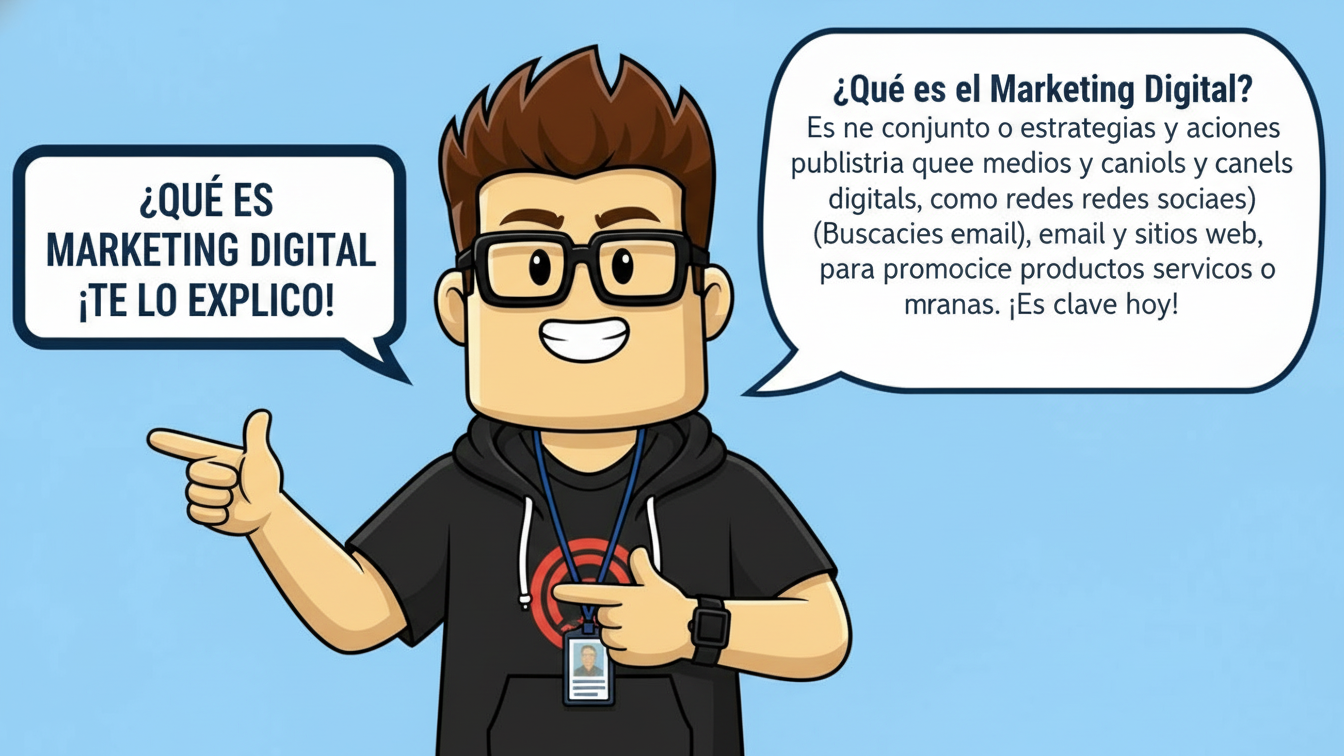
Digital marketing is simply the toolkit—the “how” you execute your marketing strategy using online channels and platforms. It’s the vehicle that carries your message to your target audience through the internet.
Here’s the key insight: You can have all the digital marketing tools in the world, but without understanding the fundamental marketing principles—knowing your customer’s psychology and pain points—you’re just making noise in a crowded digital space.
The Foundation of Successful Marketing: Customer Psychology
Before diving into digital marketing channels and tactics, let’s establish what truly makes marketing work. If you master these principles, you’ve already won half the battle.
1. Deep Customer Research
The first step in any successful marketing campaign is understanding who you’re talking to. This means:
Learning about your customer’s weaknesses and vulnerabilities. What keeps them up at night? What frustrations do they face daily? What goals are they struggling to achieve?
Don’t make assumptions. The most successful marketers invest time in actual conversations with their target audience.
2. Direct Communication and Feedback
Ask your customers what problems they’re facing. This sounds simple, but it’s surprisingly rare. Use surveys, social media polls, email questionnaires, or even one-on-one phone calls to gather insights.
When customers tell you their problems in their own words, you gain invaluable language you can use in your marketing messages—words that resonate because they’re authentic.
3. Value-First Approach
Solve problems by providing valuable resources—even before asking for a sale. This could mean:
- Creating helpful blog posts or videos
- Offering free guides or templates
- Sharing industry insights and tips
- Providing consultations or audits
When you lead with value, you build trust. And trust is the currency of modern marketing.
4. Building Genuine Human Connections
In an increasingly automated world, the human touch is your competitive advantage. People often overlook this critical element.
Respond personally to comments and messages. Share your story. Show the faces behind your brand. Let your personality shine through your content.
Remember: people buy from people they know, like, and trust.
5. Consultative Rather Than Salesy
Be more polite and less of a salesperson. Nobody likes being sold to, but everyone appreciates helpful advice.
Shift your mindset from “How can I sell my product?” to “How can I help this person solve their problem?” When your product or service is genuinely the best solution, the sale becomes a natural conclusion rather than a forced transaction.
The Two Pillars of Digital Marketing: Organic and Paid
Now that we’ve established the marketing foundation, let’s explore how digital marketing helps you reach your audience. Digital marketing strategies fall into two main categories: organic and paid.
Organic Digital Marketing (Free Traffic)
Organic marketing refers to strategies that don’t require direct payment for ad placements. Instead, you invest time, effort, and creativity to attract audiences naturally.
Search Engine Optimization (SEO)
SEO is the practice of optimizing your website and content to rank higher in search engine results like Google, Bing, or Yahoo.
When someone searches for information related to your business, you want your website to appear on the first page—ideally in the top three positions. SEO helps you achieve this through:
- Keyword research and optimization
- Creating high-quality, relevant content
- Building backlinks from reputable websites
- Improving website speed and user experience
- Optimizing for mobile devices
The beauty of SEO is that once you rank well, you can receive consistent traffic without ongoing advertising costs.
Content Marketing
Content marketing involves creating and distributing valuable, relevant content to attract and engage your target audience.
This includes:
- Blog posts and articles that answer common questions
- Videos that educate, entertain, or inspire
- Podcasts that dive deep into topics your audience cares about
- Infographics that visualize complex information
- Case studies that showcase your results
- Ebooks and guides that provide comprehensive solutions
Quality content serves multiple purposes: it improves your SEO, establishes your expertise, builds trust, and guides potential customers through their buying journey.
Viral Marketing
Viral marketing aims to create content so compelling that people naturally share it with their networks, creating exponential reach.
While you can’t guarantee something will go viral, you can increase your chances by:
- Creating emotionally resonant content
- Tapping into current trends and conversations
- Making content easy to share
- Adding surprise or unique perspectives
- Using humor, inspiration, or controversy strategically
One piece of viral content can deliver more exposure than months of regular posting.
Referral Marketing
Referral marketing encourages your existing customers to recommend your business to others, often in exchange for incentives.
This is powerful because:
- People trust recommendations from friends and family more than any advertisement
- Referred customers typically have higher lifetime value
- It’s cost-effective compared to acquiring new customers through ads
Implement referral programs by offering discounts, rewards, or exclusive benefits to both the referrer and the new customer.
Paid Digital Marketing (Advertising)
Paid marketing involves investing money to display your message to targeted audiences across various platforms. The advantage? Immediate visibility and precise targeting.
Facebook and Instagram Ads
Facebook’s advertising platform (which includes Instagram) offers incredibly sophisticated targeting options based on:
- Demographics (age, gender, location, language)
- Interests and behaviors
- Life events
- Custom audiences (your existing customers or website visitors)
- Lookalike audiences (people similar to your best customers)
You can run various ad formats including image ads, video ads, carousel ads, and stories ads to achieve different objectives like brand awareness, traffic, conversions, or app installations.
Google Ads
Google Ads allows you to display advertisements on Google search results and across millions of websites in the Google Display Network.
The main types include:
- Search ads: Text ads that appear when people search for specific keywords
- Display ads: Visual banner ads on websites
- Shopping ads: Product listings with images and prices
- Video ads: Commercials on YouTube
- App ads: Promotions for mobile applications
Google Ads works on a pay-per-click (PPC) model, meaning you only pay when someone clicks on your ad.
Emerging Advertising Platforms
Beyond the giants, several other platforms offer unique opportunities:
Quora Ads let you reach people actively seeking answers to questions related to your industry. It’s perfect for B2B and educational content.
Reddit Ads connect you with passionate communities (subreddits) centered around specific interests, making it ideal for niche targeting.
Pinterest Ads excel for visual products and services, especially in categories like home décor, fashion, recipes, and DIY projects.
LinkedIn Ads are essential for B2B marketing, allowing you to target by job title, company size, industry, and professional interests.
Twitter Ads help you join conversations and reach audiences interested in real-time news and trending topics.
Each platform has unique strengths, demographics, and best practices. The key is choosing the channels where your target audience spends their time.
Integrating Organic and Paid Strategies
The most successful digital marketing approaches combine both organic and paid strategies for maximum impact.
For example:
- Use paid ads to drive immediate traffic while building your organic SEO presence
- Promote your best organic content through paid distribution to reach a wider audience
- Retarget website visitors from organic traffic with paid ads to improve conversion rates
- Use insights from paid campaigns to inform your organic content strategy
Think of paid marketing as the accelerator and organic marketing as the sustainable engine for long-term growth.
Getting Started with Digital Marketing
If you’re new to digital marketing, here’s a practical roadmap:
Step 1: Define Your Goals What do you want to achieve? More website traffic? Email subscribers? Product sales? Brand awareness? Clear goals shape your strategy.
Step 2: Know Your Audience Create detailed customer personas. Understand their demographics, challenges, desires, and where they spend time online.
Step 3: Start with One or Two Channels Don’t try to be everywhere at once. Choose 1-2 channels that align with your audience and goals, then master them before expanding.
Step 4: Create Valuable Content Whether organic or paid, your content must provide value. Focus on solving problems, answering questions, or entertaining your audience.
Step 5: Measure and Optimize Use analytics tools to track performance. What’s working? What isn’t? Continuously refine your approach based on data.
Step 6: Scale What Works Once you identify successful strategies, invest more resources there while testing new approaches.
Common Digital Marketing Mistakes to Avoid
As you embark on your digital marketing journey, watch out for these pitfalls:
- Focusing on vanity metrics (likes and followers) instead of business results (leads and sales)
- Being too promotional and not providing enough value
- Ignoring mobile optimization when most internet traffic is mobile
- Not having a clear call-to-action in your content
- Inconsistency in posting and engagement
- Copying competitors instead of finding your unique voice
- Giving up too soon before strategies have time to work
The Future of Digital Marketing
Digital marketing continues to evolve rapidly. Stay ahead by keeping an eye on:
- Artificial intelligence and automation for personalization and efficiency
- Voice search optimization as smart speakers become ubiquitous
- Video content dominance across all platforms
- Privacy-first marketing as regulations tighten
- Interactive and immersive experiences through AR and VR
The fundamentals of understanding customer psychology remain constant, but the tools and channels will keep changing.
Conclusion: Your Digital Marketing Journey Starts Now
Digital marketing isn’t just about learning tools and tactics—it’s about understanding people and using technology to connect with them meaningfully.
Remember the core principle: Marketing is psychology. Digital marketing is the delivery mechanism. Master both, and you’ll build a sustainable competitive advantage.
Start by truly understanding your customers’ problems. Provide genuine value. Build real relationships. Then leverage the appropriate digital channels—whether organic, paid, or both—to amplify your message and grow your business.
The digital landscape offers unprecedented opportunities to reach your ideal customers, regardless of your budget or business size. The question isn’t whether you should engage in digital marketing, but how quickly you can start applying these principles to your unique situation.
Ready to dive deeper? Choose one organic and one paid channel that aligns with your business goals. Commit to mastering them over the next 90 days. Test, learn, adjust, and watch your business grow.
What digital marketing strategy will you implement first? The best time to start was yesterday. The second-best time is right now.