Low-Cost Smart Home Devices: A Beginner-Friendly Guide to Start Your Smart Home Without Spending Much
If you’ve ever dreamed of turning your house into a smart home but felt scared by the prices, don’t worry — you’re not alone. When I (Jean Méndez) started experimenting with smart gadgets, I was convinced it would cost a fortune. But here’s the truth: today you can build a smart home setup with a tiny budget, using simple, beginner-friendly tools that make your life easier, safer, and a lot more fun.
In this guide, you’ll learn exactly what affordable devices to buy, how to use them, and how to avoid wasting money. Let’s make your home smart — without breaking the bank.
What Are Low-Cost Smart Home Devices?
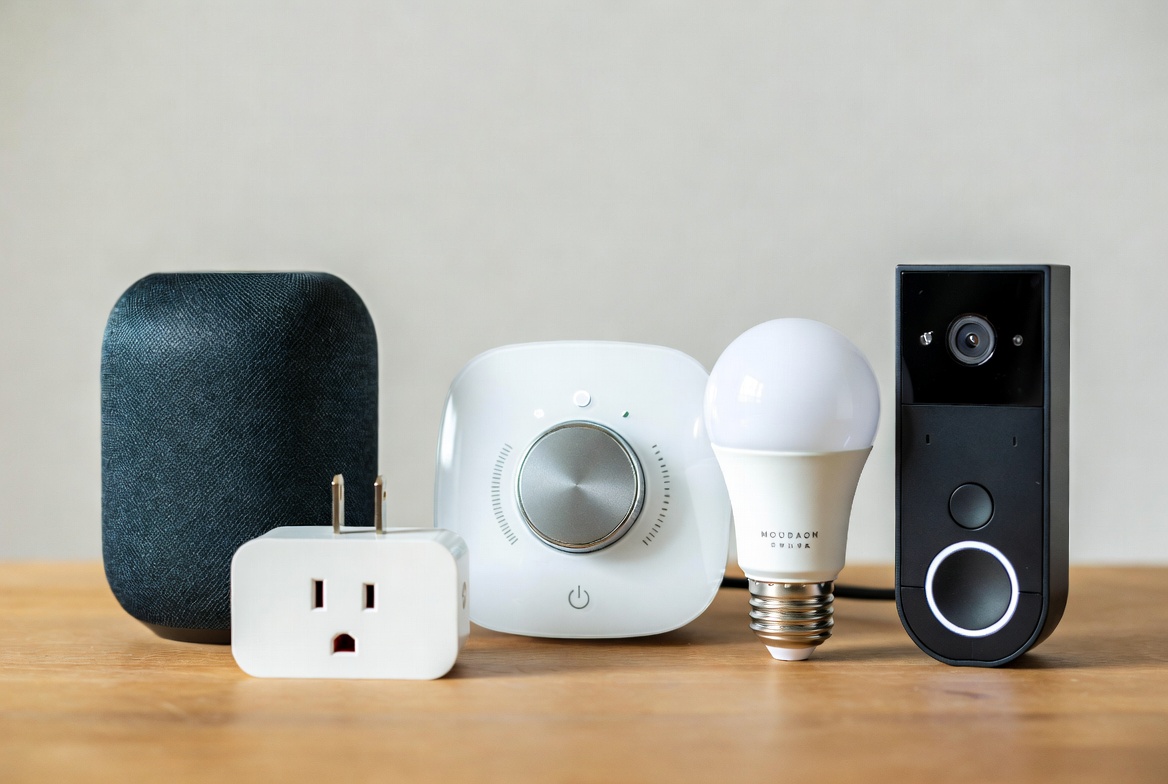
Low-cost smart home devices are budget-friendly tools that help automate your home — things like smart bulbs, smart plugs, WiFi cameras, or sensors — all controlled from your phone or voice assistant.
You don’t need expensive hubs, complicated wiring, or a full renovation. Most budget devices today work with WiFi and install in minutes.
Why Start With Affordable Smart Devices?
Beginning with cheap smart gadgets is perfect if you’re just exploring the smart home world.
You save money while learning
You shouldn’t spend $300 on a smart thermostat if you’re still figuring out what works for your lifestyle.
You test what actually improves your life
Some people love smart lighting. Others prefer security cameras or voice assistants. You’ll discover your own style without regrets.
You can upgrade later
Everything you buy today can be part of a bigger, better setup in the future.
Best Low-Cost Smart Home Devices to Start With
1. Smart Bulbs (Perfect for Beginners)
Smart bulbs are the easiest and cheapest way to begin. Brands like Wyze, Xiaomi, Govee, and TP-Link offer bulbs for under $12.
What you can do with them:
- Turn lights on/off from your phone
- Change color and brightness
- Create schedules (like a “sunset mode”)
- Make your room look relaxing or energizing
Real-life example: When I started creating content, I used a $10 smart bulb to set a warm orange background for my videos. That tiny upgrade made my space look professional without buying fancy studio lights.
2. Smart Plugs (Small Price, Big Power)
These little adapters let you turn ANY normal device into a smart device.
Use cases:
- Automate your coffee maker
- Turn off fans and chargers automatically
- Add timers to lamps, humidifiers, or decorations
Tip: If you want to save electricity, use smart plugs to shut down devices that stay on standby all day.
3. Budget Smart Cameras
You don’t need a $200 indoor camera. Brands like Wyze, Imou, Eufy, and TP-Link sell good cameras for $25–$35.
Perfect for:
- Baby monitoring
- Pet check-ins
- Doorway security
- Apartment entry hallways
Look for features like:
- 1080p quality
- Night vision
- Motion alerts
- Cloud or SD-card storage
4. Entry Sensors & Motion Sensors
These smart home sensors are extremely affordable and add a lot of safety.
What they do:
- Alert you if a door or window opens
- Detect movement inside your home
- Help automate lights when you walk into a room
Example: I use a $9 motion sensor in my hallway so the lights turn on automatically at night. No more tripping over shoes in the dark.
5. Budget Voice Assistants
Devices like Echo Dot or Google Nest Mini often go on sale for $20–$25.
You can:
- Control all your devices by voice
- Set reminders and timers
- Play music
- Ask for weather, recipes, or news
It’s the “brain” of your smart home.
How to Choose the Right Low-Cost Smart Devices
Check compatibility
Look for badges like “Works with Alexa,” “Works with Google Home,” or “Matter compatible.”
Read honest reviews
Not every cheap gadget is good. Make sure the brand has at least a strong rating.
Start with 1–2 devices, not everything at once
It’s better to feel how automation fits your lifestyle instead of buying 10 devices and using only 2.
Consider your WiFi strength
Smart devices rely on your network. If your signal is weak, a cheap WiFi extender can help.
Smart Home Routines You Can Create (Without Spending Much)
- Wake-up routine: lights slowly turn on + soft music starts
- Night routine: all lights off + coffee maker scheduled for the morning
- Vacation mode: lights and plugs turn on randomly to simulate presence
- Pet monitoring: get alerts when your pet enters certain rooms
These simple routines add comfort and security without a high budget.
Is a Low-Cost Smart Home Worth It? (Honest Answer)
Yes — 100%. Affordable smart devices make daily life easier, reduce stress, and save time. Even with just a smart bulb and a smart plug, you’ll feel the difference.
And the best part? You build everything at your own pace.
Conclusion: Your Smart Home Journey Starts Small, and That’s Perfect
You don’t need to be a tech expert or spend a lot of money to enjoy smart home living. Begin with simple devices like low-cost smart home devices, learn what works for you, and slowly create the home of your dreams.
If you’re ready to start, choose one device today and test it out. Your future, smarter self will thank you.